 Problem Solving & Advice by Pam Johnson-Bennett Cat Behavior Expert & Best-selling Author
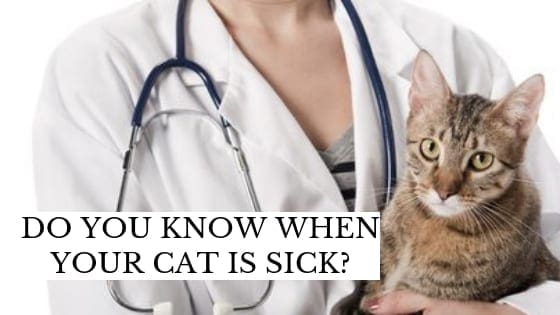
When it comes to illness, injury or pain, cats can be very stoic and not show obvious outward signs. Very often, the red flag indicating your cat may have a medical problem might be a change in behavior. When it comes to changes in behavior it’s not unusual for cat parents to miss those subtle signs or attribute the behavior to kitty being mad or upset at something or someone.
Cats are creatures of habit so whenever there’s a behavior change, whether small or significant, it could be an indication of pain or illness.

Here are some potential signs of illness:
- Change in activity level
- Change in interaction with human family members or companion animals
- Atypical aggressive behavior
- Increase or decrease in appetite
- Change in water intake
- Change in litter box habits
- Change in urine amount, color, or odor
- Change in bowel amount, color, consistency, or odor
- Change in sleeping patterns
- Increased or decreased vocalization
- Change in coat appearance
- Bad breath
- Panting or open mouth breathing
- Increase or decrease in weight
- Vomiting
- Discharge from eyes, nose, mouth, or ears
- Strange odor
- Shivering
- Change in gait
- Appearance of the nictitating membrane (third eyelid)
- Changes in appearance of pupils (ex: pupils remain dilated regardless of light conditions)

Pay Attention to Changes in Behavior
While it’s easier to know something is medically wrong with your cat when you see blood in the urine or there’s a discharge coming from the nose, it’s also crucial to recognize that behavioral changes can be the result of a medical problem. If your cat has stopped using the litter box don’t just assume it’s because he’s mad at you for coming home late; there could truly be a medical issue as the root cause. Prompt veterinary care can make a huge difference in whether your cat suffers needlessly.
With older cats, it’s common for some cat parents to make the assumption that a change in behavior, such as, increased sleeping, lack of grooming, or lack of appetite, is simply a sign of old age. These are actually potential signs of illness or pain, so it’s crucial to have a veterinary exam in order to rule out possible medical causes.
Know Your Cat’s Habits and Routines
The more aware you are of how much your cat typically eats in a day, how much water he drinks, how often the litter box is used, etc., the easier it will be to spot any early warning signs. If other family members are in charge of particular cat care responsibilities, make sure everyone communicates with you. Children who are put in charge of feeding duties, litter box care, or even just playtime with the cat may not pay attention to important changes in habits.

Communicate With Your Veterinarian
You may not think it’s worth mentioning that your cat has been sleeping more or that kitty seems grumpy recently but ANY change in normal routine or normal behavior should be discussed with your veterinarian. Catching something early could make a big difference in how quickly your cat recovers, the degree of pain he will endure and also the cost of the veterinary care.
Need More Information?
If you have questions about changes in your cat’s behavior or health, contact your veterinarian. This article is not intended as a medical diagnosis nor is it a replacement for your cat’s regular veterinary care. This article is for general information purposes only.
For more information on cat behavior and training, refer to the books by best-selling author, Pam Johnson-Bennett. Pam’s books are available at bookstores and online. We’ve included links to Amazon here on our website.