 Problem Solving & Advice by Pam Johnson-Bennett Cat Behavior Expert & Best-selling Author
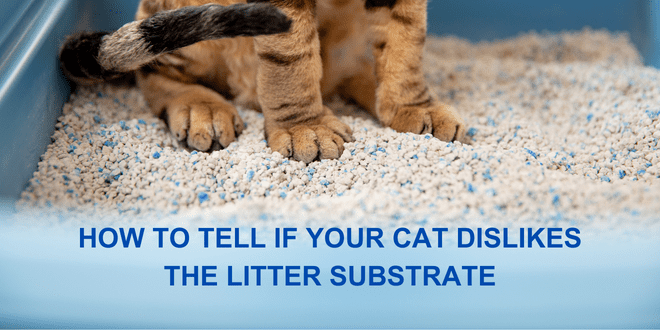
Before getting into the discussion of litter dislike, it’s crucial to note that any problem your cat may be experiencing with the litter box could be an indication of an underlying medical problem. Any change in litter box habits by your cat should have you going to the phone to make an immediate appointment with your veterinarian. Underlying medical issues are often the reason a cat avoids the litter box.
Your Cat’s Senses
When it comes to the appeal or dislike of a particular litter substrate, two things come into play: your cat’s sense of smell and sense of touch. If the litter is too dirty then it will smell. Even if you don’t smell the offensive odor, your cat will. If your nose was in such close proximity to the litter you’d certainly be aware of whether the litter maintenance was being neglected. The cat’s nose informs him that all is not right in the litter box and what often happens is that he’ll seek out other arrangements… such as your living room carpet, the sofa cushion, the throw rug in the bathroom, etc. On the other hand, you may be keeping the litter box very clean but if the litter is heavily scented or if the particular scent is unappealing to him, it may also make the litter box an unpleasant experience.

The texture of the litter can also make a difference in the overall litter box appeal. Most cats prefer the soft, sandy texture of scoopable litter. If the litter has large granules or is pelleted, it may create an unpleasant feeling on the paws. Litter that sticks to a cat’s paws too much or is too dusty can also lead to aversion.
Avoidance, Perching and “Hit-and-Run” Eliminators
If your cat has a dislike for the litter substrate, he may not totally avoid the box but may perch on the edge. This may be an attempt at physically being in the box as much as he can while limiting actual contact with the substrate. Some cats who dislike the litter (whether the cause is that the litter is too dirty or they just dislike the scent or texture) may do a hit and run – meaning they eliminate and then get out of there without taking the time to dig or cover. If the instinct to cover is very strong, some cats may paw at the wall near the box or on the floor in front. Some cats vigorously shake their paws after exiting the box to rid themselves of the unpleasant litter. If you hear your cat sneezing quite a bit when near the litter the brand you purchased might be too dusty.
Your cat may try to get as close to the box as possible for elimination but when there’s a litter aversion, he might only be able to tolerate being near but not actually in the box. Elimination attempts might be on the floor or rug close to the box.
Plan of Action
Objectively evaluate your litter scooping and maintenance schedule. Make sure any litter box avoidance isn’t due to you dropping the ball when it comes to keeping the box pristine. Scoop at least twice a day and thoroughly scrub the box at least monthly (scrub weekly if using non-scoopable). Keep the level of litter consistent by topping off every few days. Typically, a good 3-inch level is adequate for most cats.

If you’re unsure whether you cat objects to a particular litter itself, do an experiment by putting out an additional litter box (a simple, uncovered one) with a different kind of litter. If you’ve been using traditional clay litter then put out a box of soft, scoopable litter. If you’ve been using highly scented litter, fill the second box with an unscented formula. If your cat has been sneezing when using the box, look for a brand that advertises that’s a dust-free formula. If you’re totally unsure what kind he might prefer you can set out a third box as well – sort of a litter box buffet. Your cat will let you know his preference.
Never abruptly switch litter brands or types because cats dislike change. If you’re going to experiment with different litters, do it by putting out additional boxes.
Don’t Overlook Other Causes
Remember, litter box aversion can be caused by many other things. This article is just covering litter substrate appeal. As previously mentioned, if your cat has stopped using the litter box have him examined by your veterinarian to rule out underlying medical causes. There are also other reasons for litter box aversion such as poor location of the box, wrong size/type of box, stress in the environment, and so on. It’s time for you to be a detective to identify what aspect of the litter box set-up is not appealing to your cat.

Need More Information?
For more information on cat behavior and training, refer to the best-selling books by Pam Johnson-Bennett. Pam’s books are available at bookstores and online. We’ve included Amazon links here on our website.
