 Problem Solving & Advice by Pam Johnson-Bennett Cat Behavior Expert & Best-selling Author
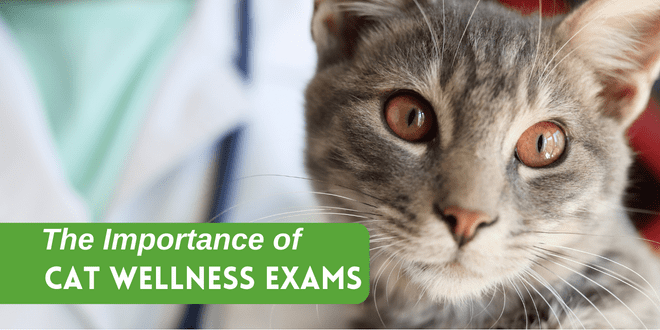
Cats need routine wellness exams at least once a year. For older cats that routine exam should happen every six months, or as often as you and your veterinarian decide would be best. As cats age or if they have specific health concerns, your veterinarian will recommend a customized schedule for you.
As much as we love our cats, it’s sad to realize many still aren’t receiving the appropriate amount of veterinary care. As popular as cats are, they still aren’t being seen for veterinary exams as often as dogs. Too many people are under the mistaken belief cats are independent and therefore don’t require the same level of medical care as dogs. Just because you don’t “see” something wrong with your cat doesn’t mean there isn’t a potential medical problem going on internally. Cats are good at hiding pain and illness. It’s a survival instinct. You may not realize your cat has been injured or is suffering from a stomach ailment or urinary problem until he has reached a point where he can’t help but display it in outward behavior or where symptoms become physically obvious. By that time, your cat may have been suffering for far too long.

The Importance of Wellness Exams
This is a great way to catch something early, before it becomes a major problem. This can save your cat needless suffering, increase the chance of a full recovery and can save money on long-term medical costs.
A routine wellness exam is also a great opportunity for preventive care. During an exam your veterinarian may be alerted to a potential problem and advise you on any recommended change in diet, medication, or lifestyle. Routine blood work and diagnostic testing can catch potential problems in their earliest stages.
With older cats, it’s easy to misinterpret increased sleeping or decrease in activity as simply being a function of age, but it may actually be an indication of a medical issue such as arthritis. Any change in behavior, food/water intake, litter box habits, or activity level should be viewed as a potential red flag.
Stress and Fear
There are many reasons why cat parents may be reluctant to take their cats in for wellness exams. Cost is high on the list but another reason often cited is it’s too stressful for the cat and the human family member. It may be very difficult to get the cat in the carrier at home and kitty may become too difficult to handle while at the clinic (and even after returning home). Fear of stressing the cat out or fear of handling an aggressive cat are absolutely legitimate concerns but you can’t let that be the reason for neglecting to provide medical care. If your cat gets stressed out at the very sight of the cat carrier then it’s time to do some behavior work to help him become more comfortable with travel. Start by leaving the carrier out and tossing treats nearby, and then eventually inside the carrier. Place a soft towel inside so your cat can use it as an extra napping place. Do gradual, gentle training exercises to increase your cat’s comfort level. This process is important to do anyway because there may be times when you have to transport your cat that doesn’t include a veterinary visit and it shouldn’t be stressful. It may not be something your cat looks forward to but it shouldn’t cause him to fear for his life.
Here’s more information on cat carrier training:
Help Your Cat Adjust to a Carrier
Less-Stressful Veterinary Visits
If your cat becomes reactive at the veterinary clinic there are some steps you can take to limit that anxiety and make the visit a little easier. Your veterinarian and staff can also make the visit less stressful. Talk to your veterinarian about what can be done to make the exam more comfortable for your cat. More and more veterinarians are becoming aware of the need to have a more cat-friendly practice and they have separate waiting room areas for cats, a cats-only exam room, and a staff trained in Fear-Free or low-stress cat handling.
If you have concerns about the way your veterinarian or their staff work with your cat, have an honest discussion with them. If you still feel concerned, look for a Fear-Free or Cat Friendly practice in your area.

Cat Friendly Practice
The American Association of Feline Practitioners has the Cat Friendly Practice Program to help cat parents connect with veterinarians who have demonstrated their dedication to improving the care and well-being of cats. You can go to their website, put in your zip code and see if there’s a cat friendly practice near you.
Fear Free Initiative
You can also go to the website for Fear Free Pets to find a certified Fear Free veterinary practice near you. The Fear Free Initiative was started by veterinarian Marty Becker and has been extremely successful in educating veterinarians, technicians, and staff.
Here’s more information on less-stressful veterinary visits:
How to Reduce Your Cat’s Stress During Veterinary Exams
Good Communication
Make the most of your visit with the veterinarian by bringing up any changes you’ve noticed in your cat’s behavior, appetite, activity level, grooming habits, interaction with others, water intake or litter box habits. Something that you may not think is very significant could actually be the start of a potential medical problem.
Make a note of any questions or concerns you have about beforehand so you don’t forget to mention something. If you’re bringing in more than one pet at a time, it can be easy to forget to mention a concern so putting a list on your phone or writing some questions on paper can help prevent you from having to call the clinic later.

Take a Video
If your cat displays a particular behavior, has a periodic cough or exhibits anything that may not be displayed at the veterinary clinic you can always whip out your smart phone and capture the behavior on video. This can be a valuable tool for your veterinarian so they can see what is exactly going on.
If your cat’s problem is related to litter box avoidance, it’s also a good idea to take a picture of the litter box set-up to show your veterinarian. This way, if the problem doesn’t turn out to be medical, the veterinarian may notice something that might be related to why your cat is eliminating outside of the box.
Quality of Life
A current problem or the possibility of a potential health issue detected during a wellness exam can make a huge difference in your cat’s quality of life. Regardless of whether your cat is the most pampered indoor kitty or an outdoor street-smart cat who appears more than capable of taking care of themself, EVERY cat needs veterinary care.
Need More Information?
If you have a concern about your cat’s health or behavior, contact your veterinarian. If your cat is displaying a behavior problem, there could be an underlying medical cause. Please see the veterinarian before assuming a problem is behavioral. ANY change in your cat’s behavior, appetite, litter box habits, grooming habits, appearance, water intake or activity level could be a red flag indicating an underlying medical problem.
For more specific information on cat behavior and training, refer to the best-selling books by Pam Johnson-Bennett. Pam’s books are available at bookstores and online. We’ve included links to Amazon here on our site.